

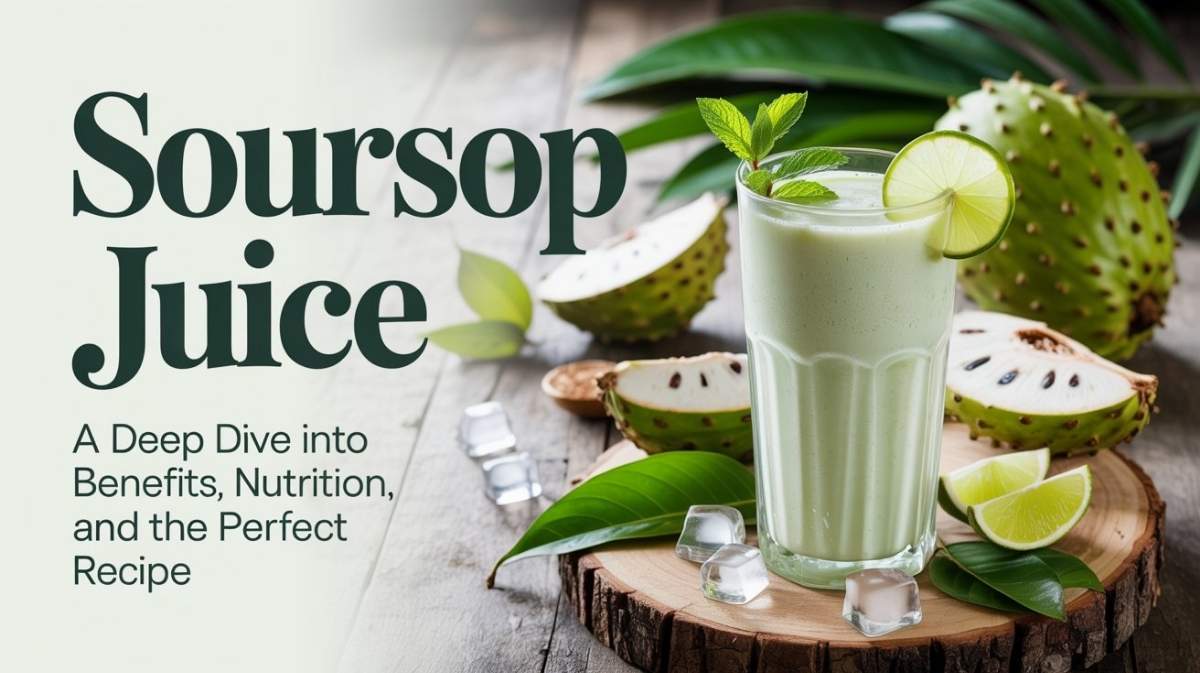
Soursop juice also known as graviola or guanabana—is much more than just a refreshing tropical drink. This creamy, tangy beverage is a staple in traditional medicine across the Caribbean and Southeast Asia. Whether you are drawn to it for its unique “strawberry-pineapple” flavor or its reputation as a healing powerhouse, understanding how to prepare and consume it safely is key.
Why Soursop Juice is a Wellness Favorite
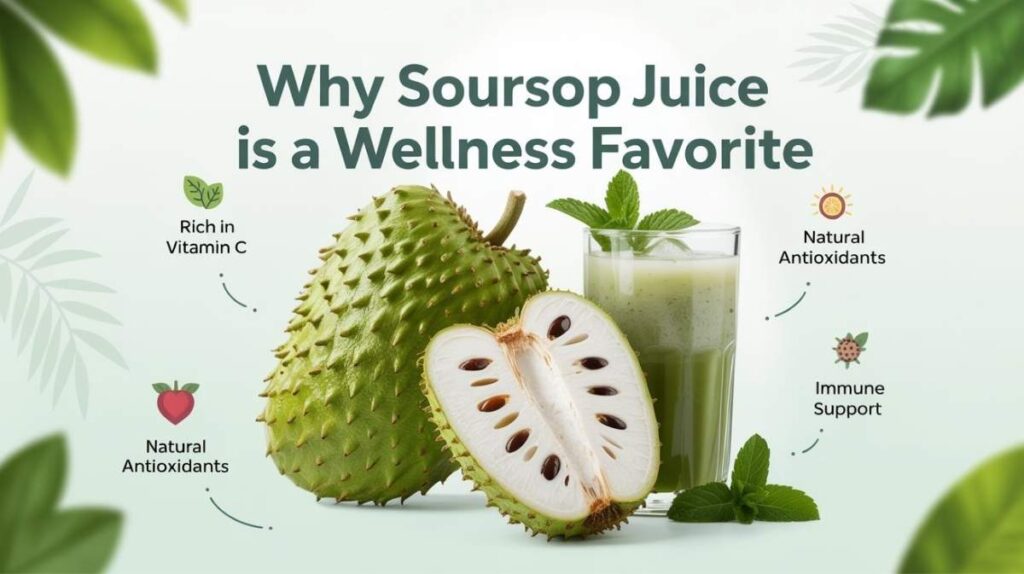
People drink soursop juice as a “functional beverage” to address specific health goals. It is a concentrated source of Vitamin C, providing over 170% of the daily recommended intake in a single fruit, which helps neutralize free radicals and boost the immune system. Beyond immunity, it is often used for digestive regularity due to its high fiber content and for heart health because its potassium levels help manage sodium and blood pressure.
6 Surprising Health Benefits of Soursop Juice
- Supports Weight Management: Naturally low in calories (about 42.5 kcal per serving), soursop juice provides a sense of fullness through its fiber content, making it a smart alternative to sugary sodas.
- Prevents Anemia: The high Vitamin C levels significantly improve your body’s ability to absorb iron, which is essential for maintaining energy and preventing fatigue.
- Natural Digestive Relief: Because it is rich in both water and fiber, the juice hydrates the stool and encourages smooth, regular bowel movements.
- Glowing Skin: The antioxidants in soursop fight oxidative stress that causes aging, while supporting the collagen production needed for skin elasticity and healing.
- Blood Pressure Control: With high levels of potassium and anti-inflammatory flavonoids, it helps ease tension in blood vessel walls and flush out excess sodium.
- High Antioxidant Load: Soursop contains acetogenins, unique compounds that researchers are studying for their potential to inhibit tumor cell growth and combat oxidative damage.
How to Make Authentic Soursop Juice
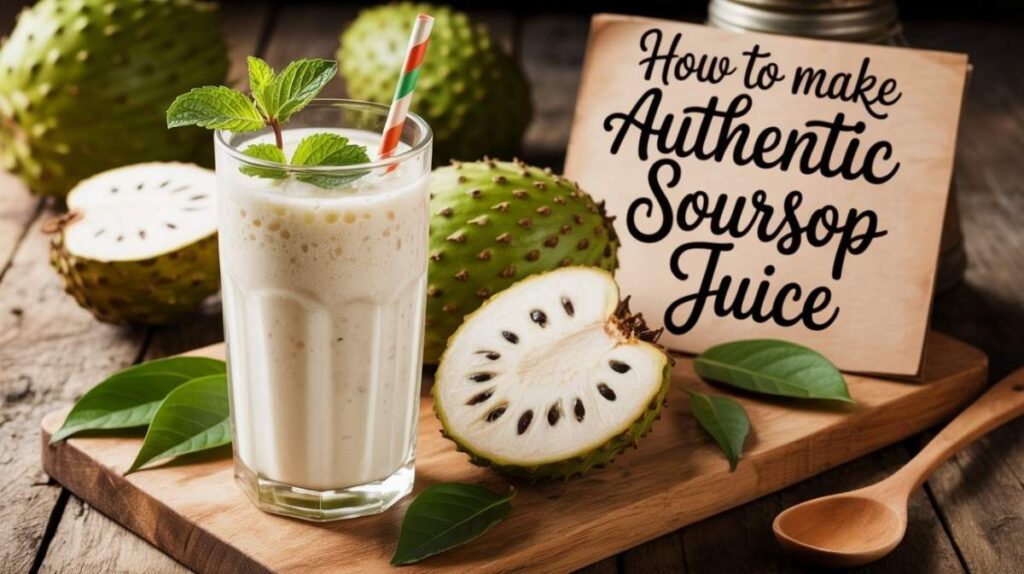
Creating the perfect soursop juice is a bit of an art form. The most important rule: the seeds are toxic and must be removed entirely.
What You’ll Need
- The Fruit: 1 ripe soursop (it should be soft to the touch).
- Liquid: 2 cups of water (for juice) or milk (for a creamy smoothie).
- Aromatics: A pinch of nutmeg, a splash of vanilla extract, and a squeeze of lime.
- Sweetener: Honey, agave, or a little condensed milk.
The Preparation Flow
- Peeling: Gently peel away the prickly green skin by hand.
- De-seeding: Pull the white pulp apart and carefully remove every single black seed.
- Blending: Place the seedless pulp into a blender with your liquid base.
- Enhancing: Add your vanilla, nutmeg, and a squeeze of lime to keep the juice bright white and flavorful.
- Serving: Pulse until smooth and pour over plenty of ice.
Pro Tips for the Best Results
- The Ripeness Test: Only use fruit that is very soft. If it’s firm, leave it on the counter for a few days until it gives under gentle pressure.
- The Lime Trick: Soursop oxidizes (turns brown) quickly once peeled. Adding a splash of lime juice keeps the color vibrant and adds a necessary “zing” to the sweetness.
- Don’t Over-Blend: If you want a more traditional texture, pulse the blender or “knead” the pulp by hand in a bowl of water before straining through a sieve.
Safety and Precautions
While soursop is highly nutritious, it is not for everyone.
- Neurotoxicity: Soursop contains annonacin, a compound that can be neurotoxic if consumed in very high amounts over long periods.
- Interactions: Avoid soursop if you have Parkinson’s Disease, as it may worsen symptoms. It can also interact with medications for high blood pressure or diabetes.
- Pregnancy: Because there is limited safety data, it is best for pregnant or breastfeeding women to avoid it or consult a doctor first.
Frequently Asked Questions
Can I drink it every day?
Moderate, occasional consumption is fine, but daily use over years is generally discouraged due to potential liver or kidney strain.
Is it good for diabetics?
It may lower blood sugar, so diabetics should monitor their levels closely and consult a physician.
Does it cure cancer?
While lab studies on cells are promising, there is no conclusive evidence it can treat cancer in humans; it should never replace medical treatments.

Arlo Scott is a nutritionist and smoothie enthusiast on a mission to make healthy living taste like dessert. Specializing in nutrient-dense superfood blends and post-workout shakes, Arlo helps you fuel your body with vibrant, natural ingredients that actually taste amazing.